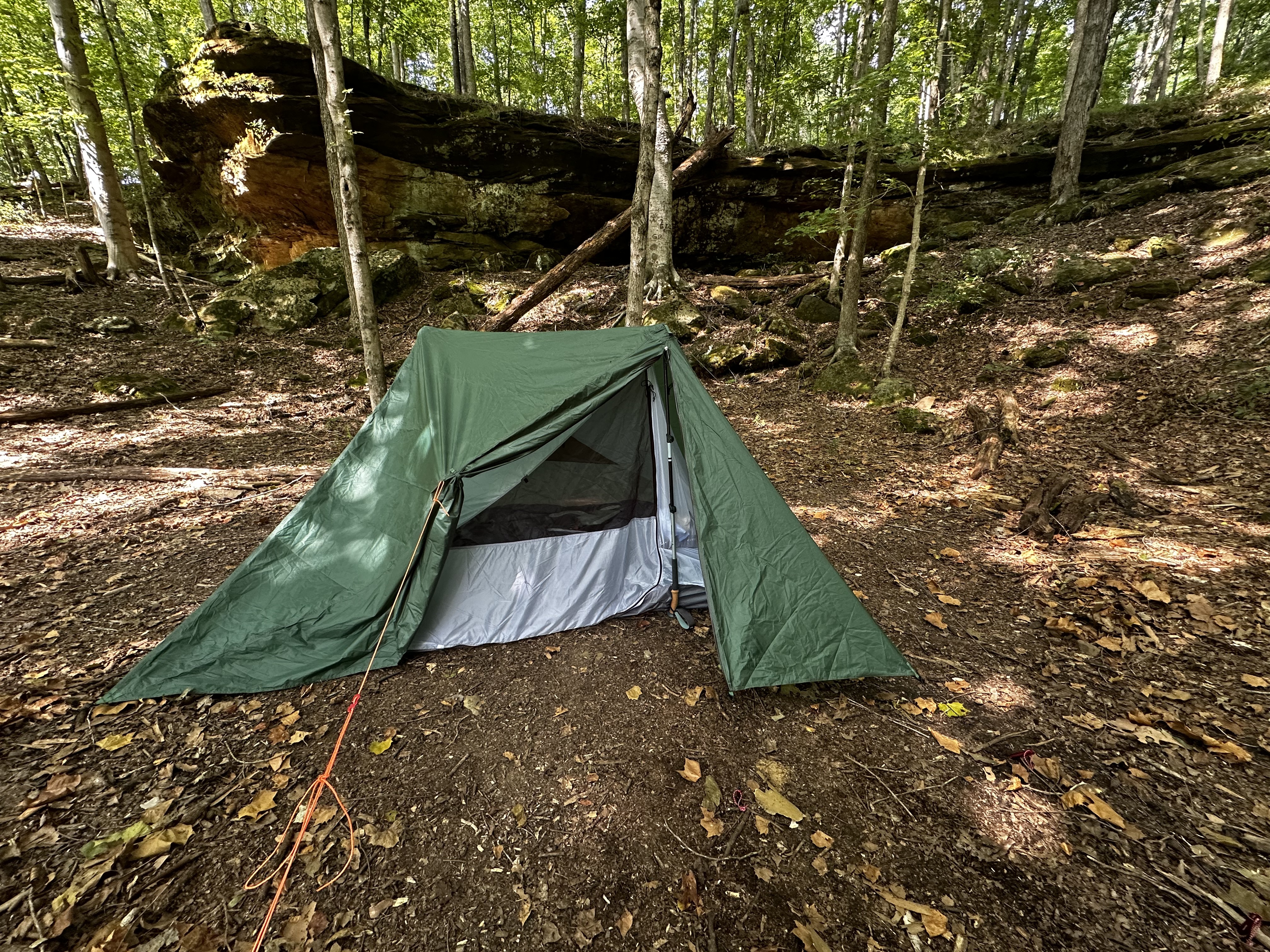
There were many twists and turns over my lifetime that led me to pitch a tent in the woods yesterday. None of it was expected, including the part where, after weeks of mental and emotional preparation, I didn’t even end up staying the night.
This is a story for anyone out there who’s ever said HELL NO to the suggestion that anyone would voluntarily spend the night outside outside. It might not resonate with all the nature lovers out there—but I’m just gonna be real about it.
Context: I grew up feeling the outdoors were not for me
I was born and raised in New York (Queens and Long Island), and I’ve only ever lived for significant time there, and in even bigger cities (Beijing and São Paulo). For the first 39 years of my life, the closest I got to nature was playing basketball or handball at the park, going to the beach, or snow sports.
I vaguely remember an uncle who made us go camping once when I was a kid, and that I hated it because it felt like we spent more time packing the car and unpacking the car than we did outside, and the outside part didn’t seem worth it.
I also grew up in a lower income situation, meaning if I was ever going to do anything “for fun,” it was always going to be as comfortable as I could afford. I vividly remember the first time I saw backpackers (the traveling kind, not hikers) because I was mystified as to why a person with the means to stay in a nice hotel would choose to sleep on bunks and wash their underwear by hand every night in a shared bathroom. If I could ever afford to stay in a nice hotel, you best believe that’s where I’d be.
A close friend, whom some of us affectionately refer to as our granola friend, once said that all she wanted for her birthday was for her friends to go on a hike with her. I laughed out loud. Walking for the sake of walking, up a hill full of bugs, seemed like the most ridiculous thing on earth a person could want to do for fun. I once hiked up a non-public section of the Great Wall of China, but I had a purpose/destination so I didn’t consider it a hike. I also thought I’d collapse from the effort and was convinced I didn’t have the muscles or whatever genes were required to do such things.
To be totally honest and blunt about it, I grew up believing all these things were “rich white people sh*t” (I know now this is untrue). Remember though that “rich” is relative — my definition of “rich” started with what many people would consider middle class.
Ironically, there was an era of the 90s and 2000s where gore-tex jackets and rugged outdoors gear was cool to wear in the city. I had no idea what any of it was for, but I did think Arc’teryx jackets were really cool. lol Even once I started earning more, I was (and still am) perfectly satisfied with comfortable pleasures—hanging out with friends and family, eating out, the occasional trip, etc.—that didn’t require roughing it in the backcountry.
Money unlocked some things
To be clear: I know for a fact now that hiking, camping and backpacking are not only for rich white people. It was just the impression we had in the bubble where I grew up. But for me personally, aside from being sent abroad for work, money was the most significant game changer.
Three jobs ago, when I was in my mid-30s, I started earning significantly more at work, and debt and housing were no longer a burden. My brother also became a working adult so my family’s financial situation also improved. For the first time, I was able to make some investments into my financial future and had discretionary income.
Money stopped being the main reason why I couldn’t do things. Not having to stress about money freed up a significant amount of energy and time. And speaking of time, having extra money allowed me to solve problems with money that would have otherwise overtaken my life. For the first time in my life, I could consider paying someone to fix an issue for me or to help me save my own effort. Though money isn’t required to solve every problem, everything is less challenging with money, which relieves significant mental burden.
It’s hard to overstate the dramatic effect this has on a person. It’s like I mentally unlocked a whole new universe of possibilities. So after I satisfied the first things I knew I’d do if I ever made enough money (buy an apartment and a car) I was, for the first time in my life, able to wonder about what else there was that I’d never let myself pursue.
The beginning of the journey: surfing
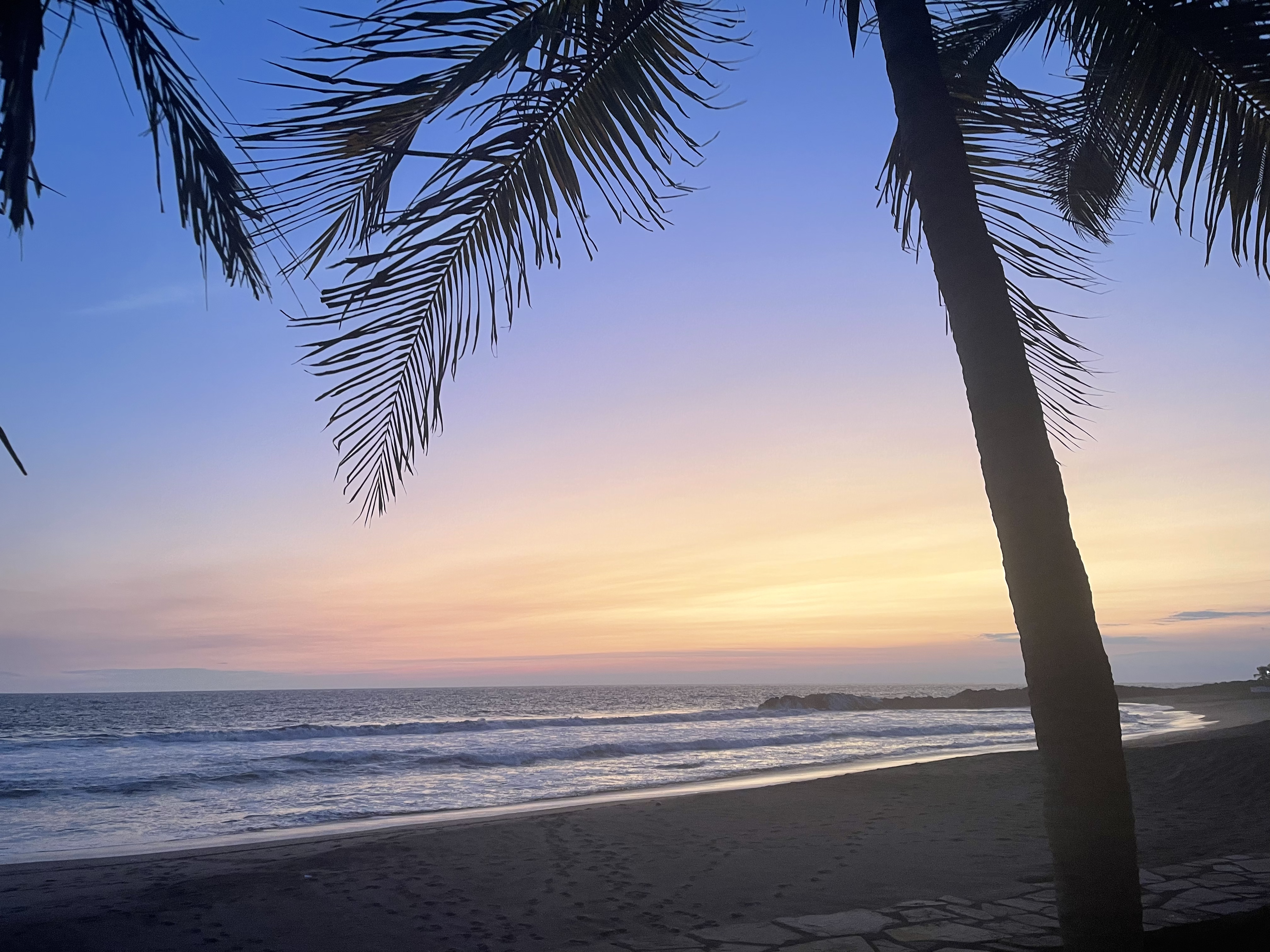
The first new hobby I got into was surfing, something I didn’t consider outdoorsy because unless you’re hiking through a jungle or forest to get to the ocean, there are no bugs involved. Learning to surf was a big mindset shift for me, on multiple fronts:
- It was the first significant thing I did alone that wasn’t work-related, and I learned to relish in the freedom of not depending on other people to do something that made me happy. I’d traveled or eaten at restaurants alone before, but reluctantly. Surfing unlocked the joy of being emotionally self-sufficient.
- I had to accept looking and feeling stupid while learning to surf. Despite what movies tell you, surfing is an ugly sport. Wetsuits, sunscreen all over your face, tangled hair, scrapes and bruises are all part of the package. As a beginner I think I also look fairly ridiculous doing it. But I don’t care! Getting thrown around by the ocean for a couple of hours is such a high and so much fun, it’s kind of impossible to care what I look like. For a person who always dressed very intentionally, this has forced me to overcome the need to prioritize appearance above all else.
With these mindset shifts happening, I started to interact with surfers. And I didn’t know this before, but many surfers are outdoorsy in other ways. I’ve met a lot of surfers who also hike, who live nomadic lifestyles traveling from surf town to surf town each season, who live on boats or in trailers, who live in the mountains to snowboard in the winter, etc. Their enthusiasm for adventure is contagious.
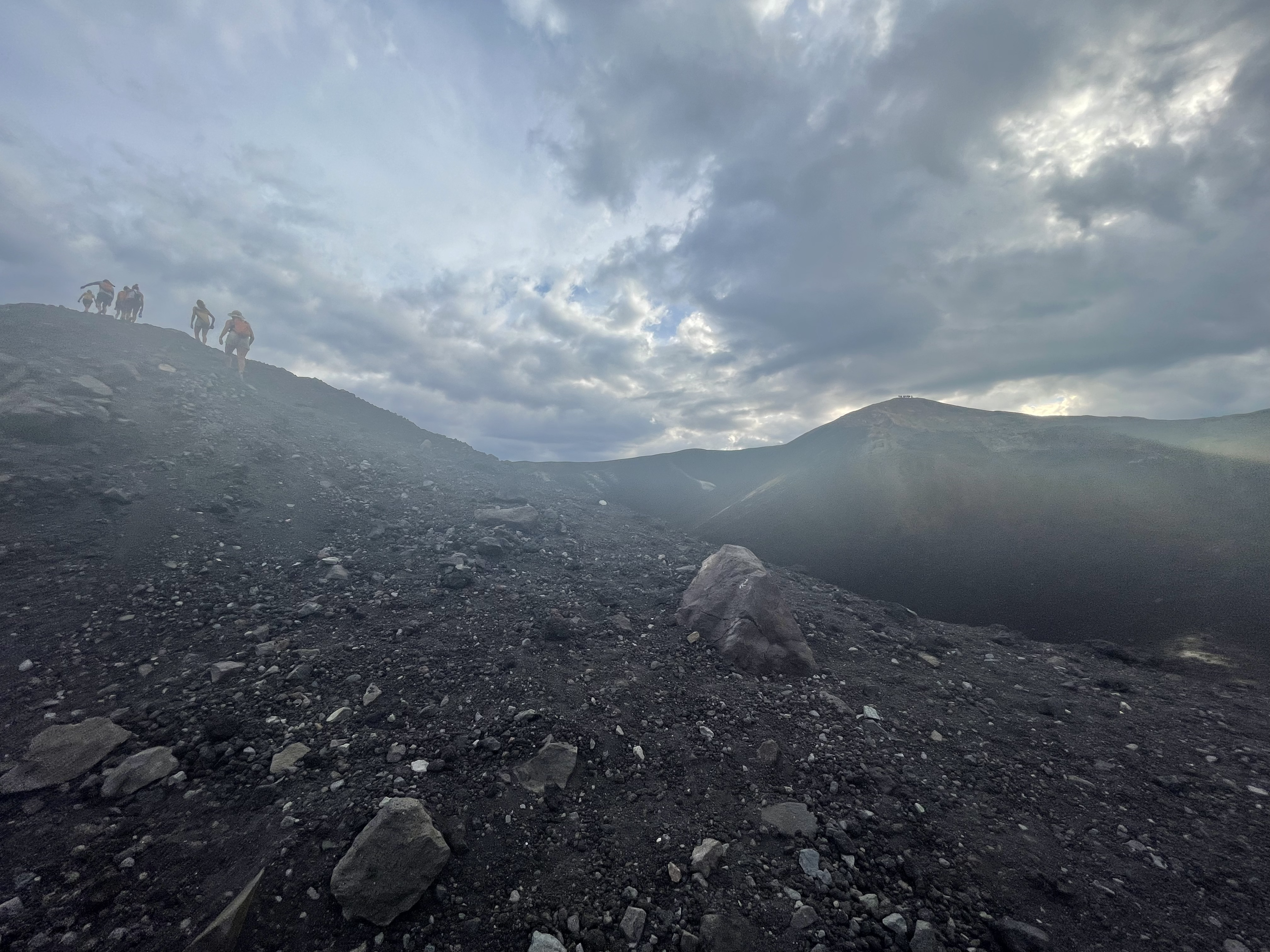
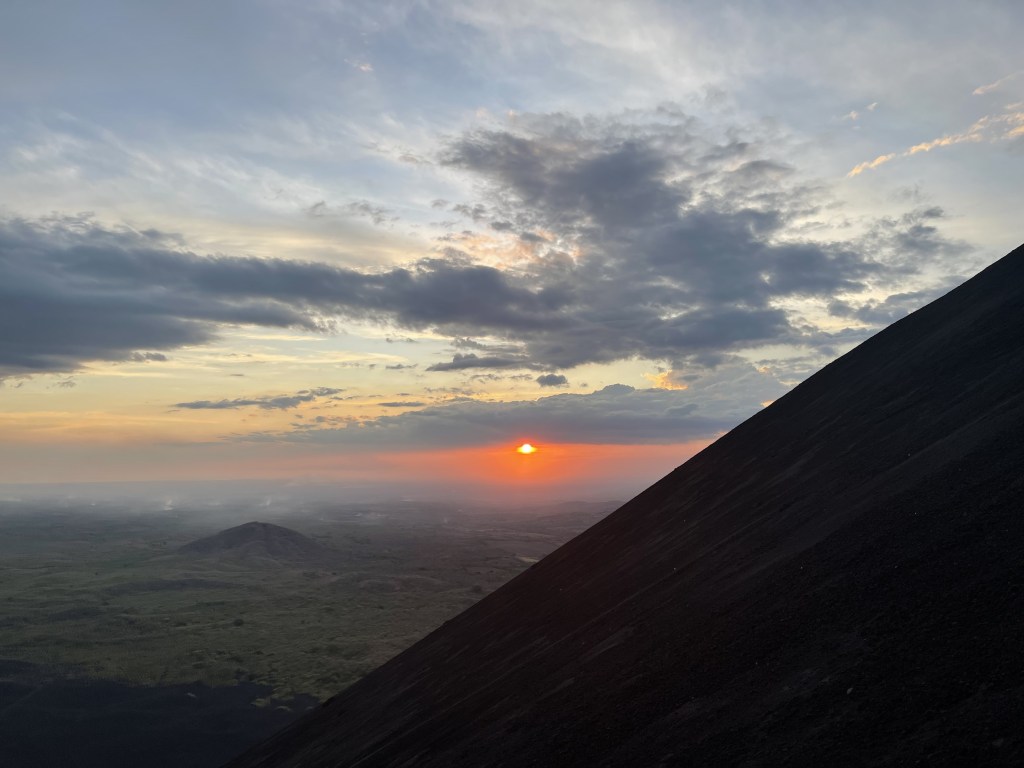
I went to a couple of surf retreats where I traveled to other countries for surf instruction. On one retreat in Nicaragua, we had the option to go on a volcano boarding field trip. Boarding down the side of volcano is 100% my jam, I’ve always been down for things like that. But what I didn’t realize was that it required hiking UP the volcano first, which was NOT my jam. I trailed humiliatingly behind the rest of the group, huffing and puffing, but determined. The scenery was unreal both on the way up and on the board down. This, and talking to some of the other surfers about their non-surfing outdoors adventures, made me realize there might actually be some appeal to the hiking stuff.
The COVID-19 pandemic and how my mom became my unexpected muse
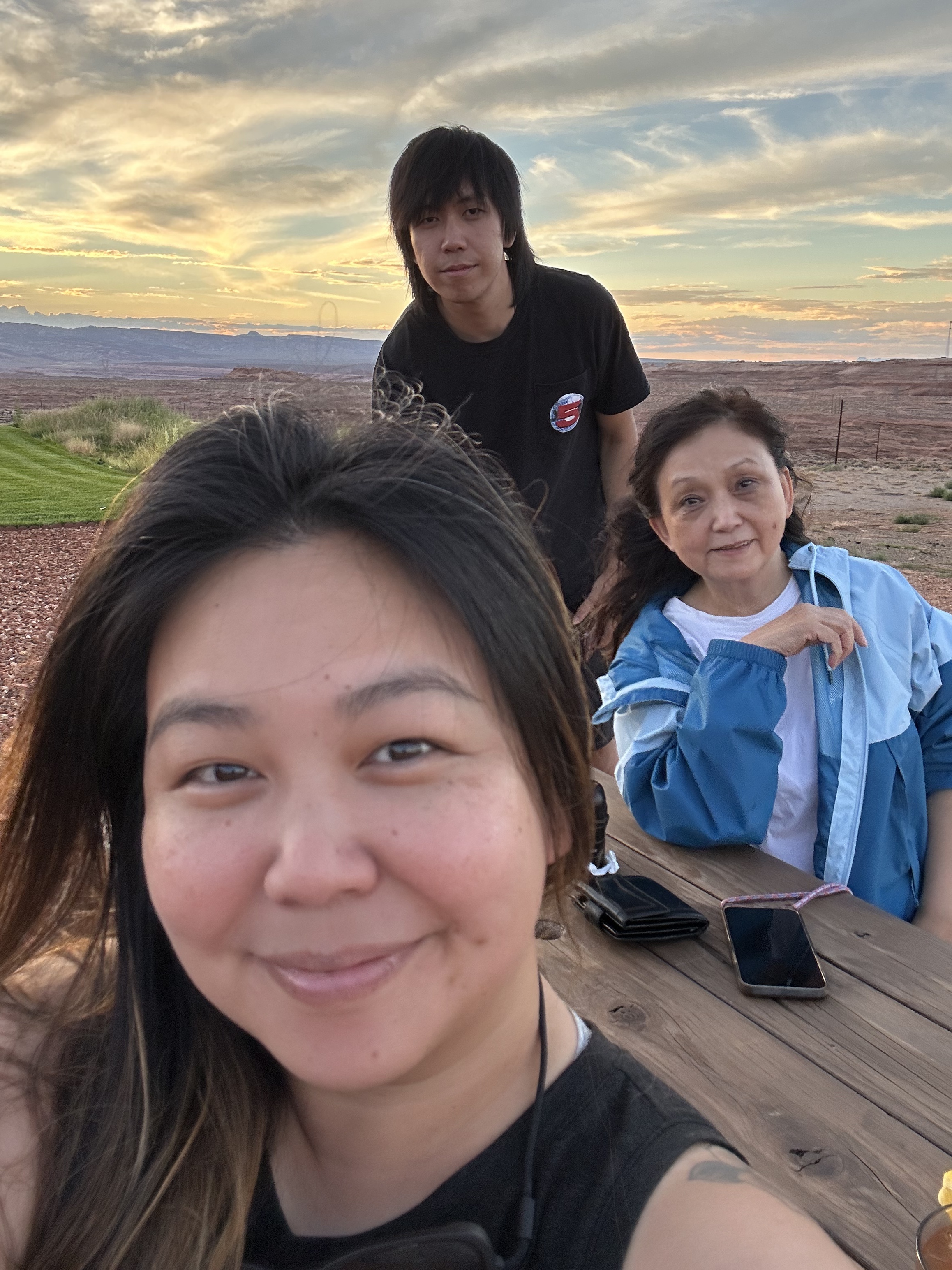
A couple of years into picking up surfing, the global pandemic hit. That first year was a sedentary one for me; I’d started a new job and threw myself into it, with nothing better to do. My mom’s job, meanwhile, didn’t have their IT set up for remote work so for some months, she was home and not tethered to her computer.
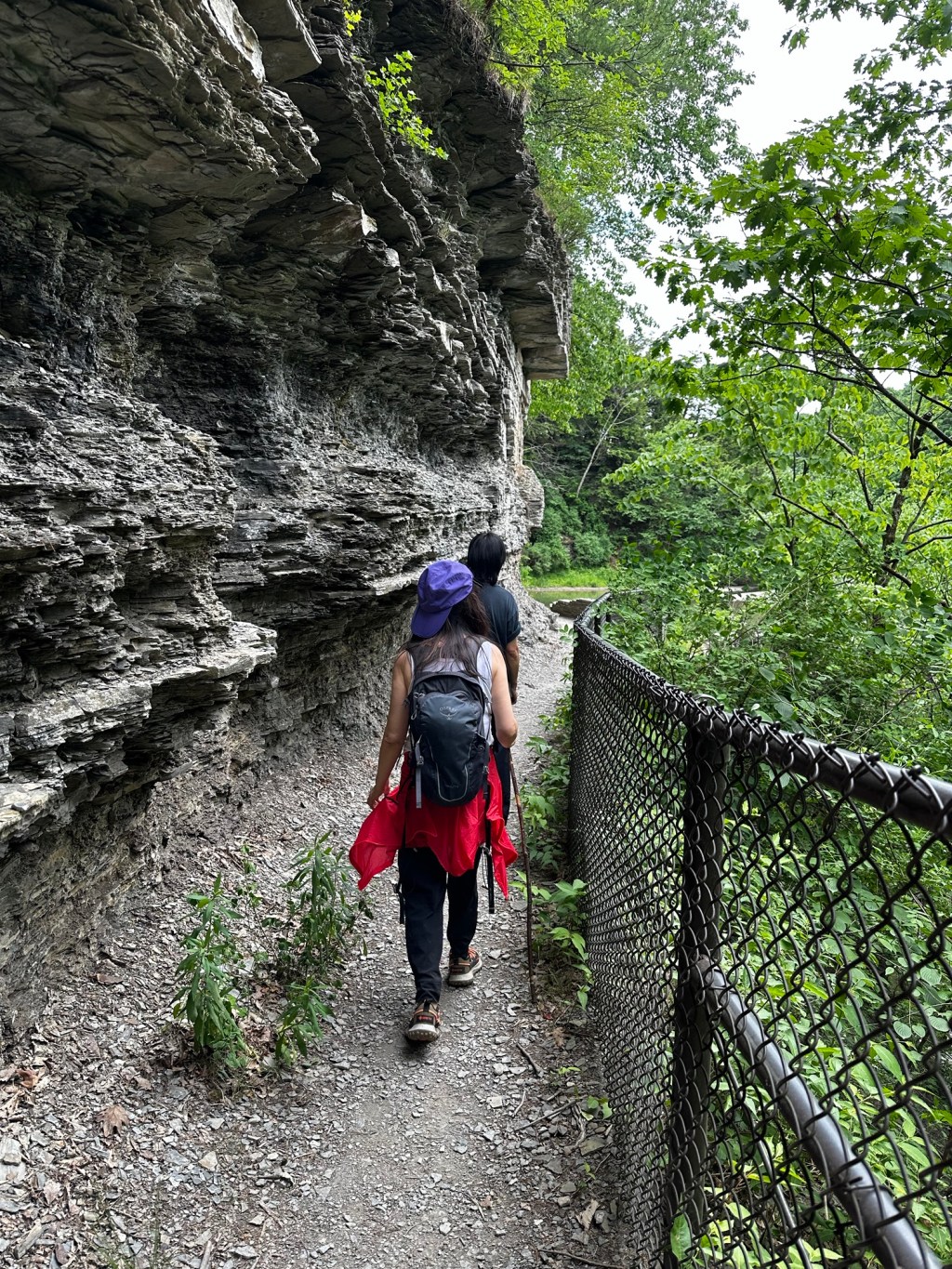
My mom, who had never rigorously exercised a day in her life (she’s of the generation from Asia that believed exercise would make women grow unsightly muscles), began taking walks outside with her friend every single day. Those walks evolved into some light hikes. I started noticing that she was looking really healthy—she’d lost weight, had more energy, and was even developing some impressive calf muscles. I was really proud of her and happy for her. She did try a few times to convince me to go hiking with her, but I was still anti, on account of bugs and my aversion to walking around without a destination and in the dirt.
Her office eventually got it together, however, and figured out how to get everyone set up to work from home. So my mom was no longer able to do her daily hikes, and her weekends were spent with her non-hiking children, so it looked like she was going to have to stop entirely. This made me sad—so on Mother’s Day of 2022, I suggested we go on a little hike together as a family. She was really excited to show us one of her favorite easy trails, and we had a good time. So I suggested we hike every weekend as our family activity instead of going out to eat—this way she could have motivation to keep up the practice.
It became fun for me to search for new places to hike and to plan our hikes each week. After a while though, I started craving more of a challenge, so we started going farther upstate where we could get higher elevation and nicer views.
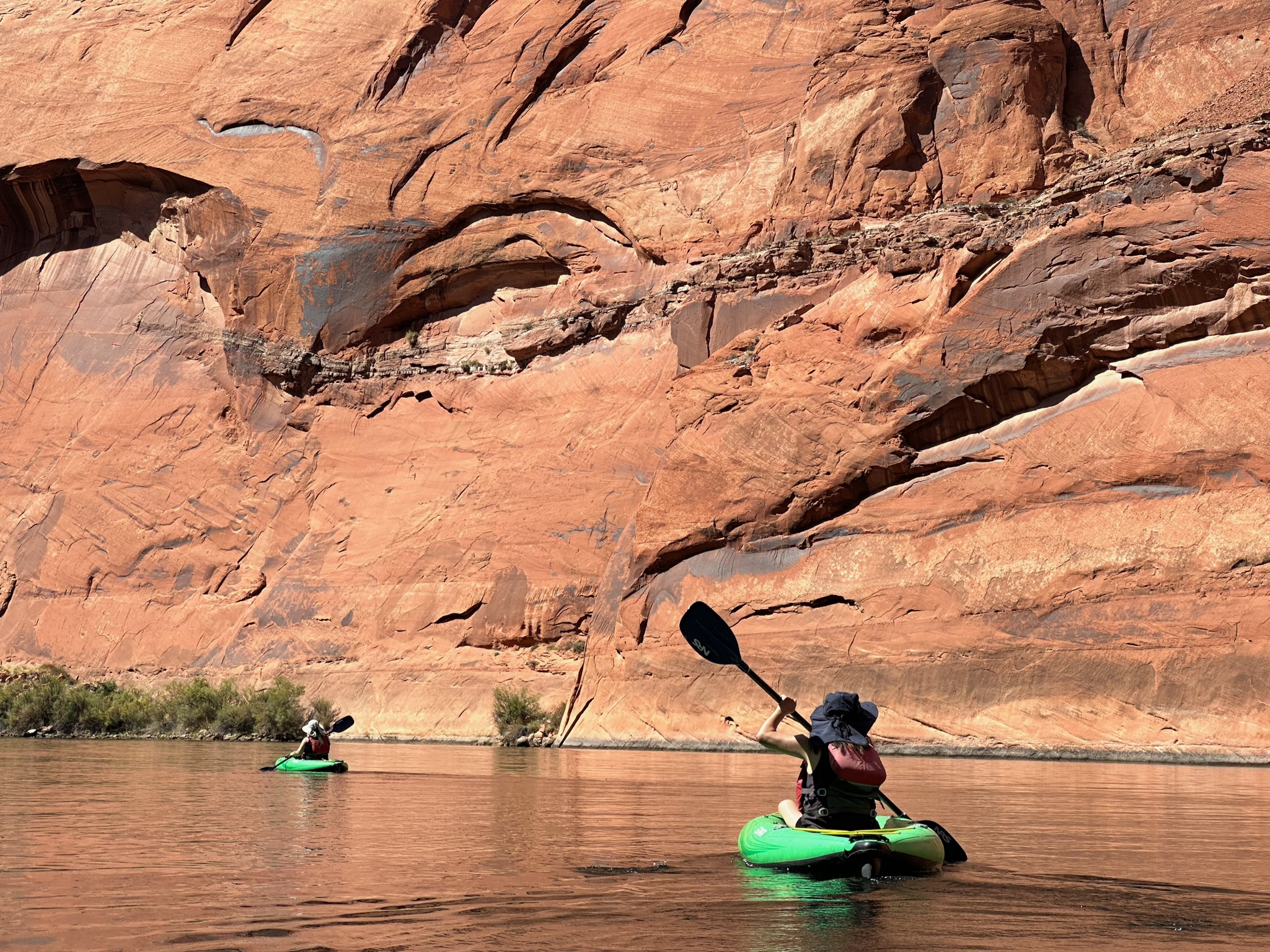
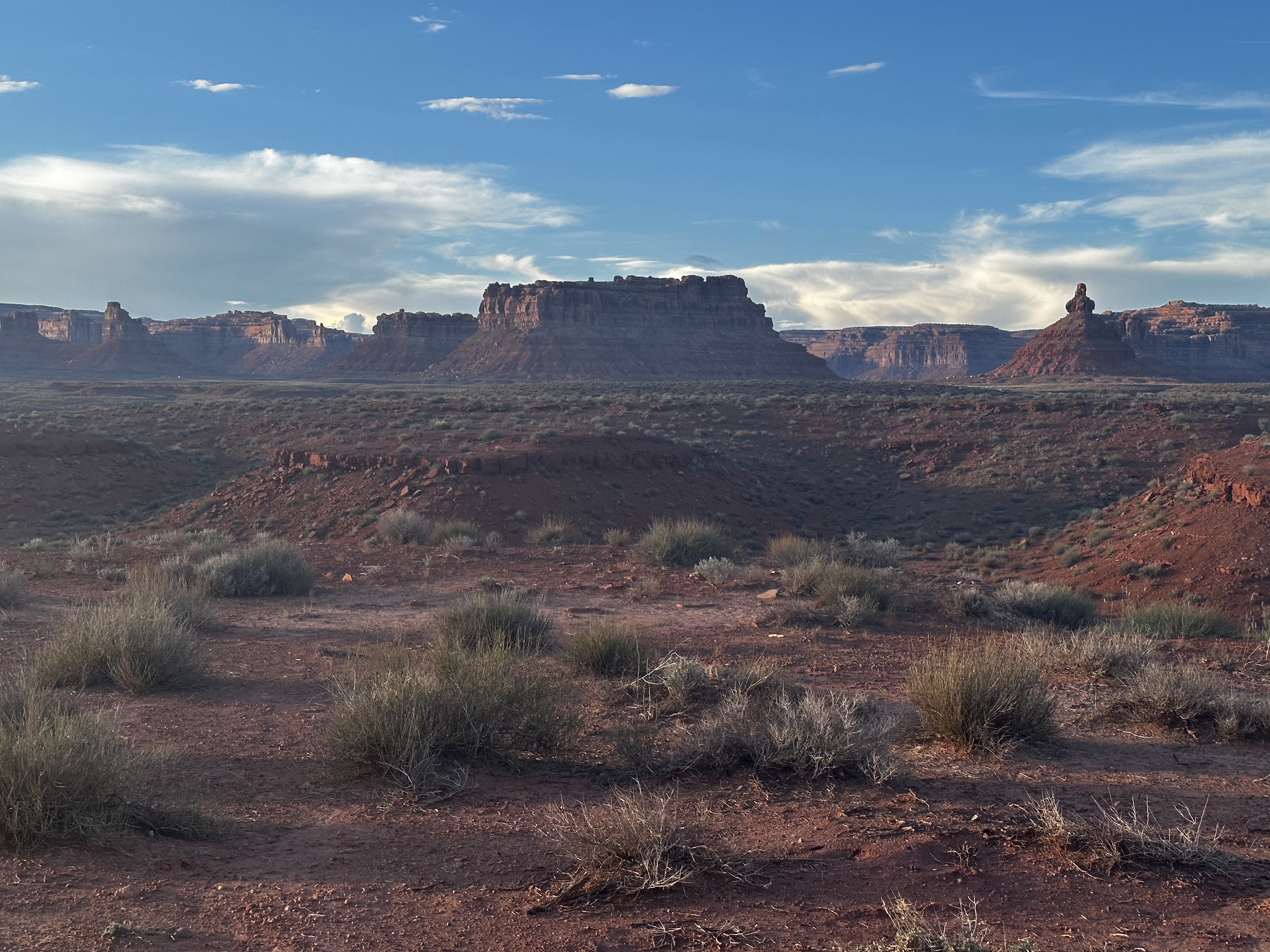
By a few months in, I was a convert and fully committed to hiking as a regular activity; I started to work hikes into my work trips and would look around for short hikes I could take in new places. That fall, I suggested we go on a family trip to the Southwest U.S.—a region I’d never thought about visiting in my life—where I planned a weeklong road trip itinerary of hiking and kayaking. I arranged it so that my mom could see the sun rise over Monument Valley on the morning of her birthday. The trip was pretty epic, and suffice it to say I was proud of myself and hooked.
Anything but camping
Fully converted to hiking, I was getting bombarded with social media content about the outdoors. Over the last couple of years I’ve probably watched hundreds of hours of Youtube content on backpacking, and while I enjoyed the content, I really couldn’t understand why anyone would want to sleep outside.
There are lots of videos by backpackers where they talk about how their favorite thing about backpacking is waking up at the crack of dawn, firing up a camp stove and drinking a cup of instant coffee. Not a single part of that sentence sounds superior to waking up at my leisure in my own comfortable bed, and making a cup of my favorite non-instant coffee.

Knowing how much surfing changed my mindset, I wanted to challenge my bias. So I did try glamping a few times. On the Southwest adventure trip, I booked us a glamping site that was lovely, but we really didn’t love the lack of running water and having to use outhouses. And if I disliked that, how could I possibly enjoy primitive camping? At another glamping site, we had solar-powered electricity and running water but the electricity cut out unexpectedly, which dampened our fun a lot. And at yet another one, I spent the night jumping at the sight of every bug that got in our tent. These experiences seemed to confirm that I simply was not built for camping.
This is particularly because so much backpacking content is about gear and how to make sleeping outside comfortable, and not about the destinations where people are backpacking. So the impression I had was these people had nothing better to do than to carry 30lbs+ of stuff into the backcountry and rough it outside.
The missing piece was purpose
About two months ago, I was looking for another show to binge (also a post-COVID habit), and stumbled upon Vikings, a History Channel show now streamable on Netflix that is based on Nordic lore. It’s highly entertaining if you like drama and action/violence—like Game of Thrones but based on real legends and cultural history.
The show send me down a Google rabbit hole about Iceland which, combined with the already trained algorithm, surfaced content about the Laugavegur Trail, a popular multi-day hike in Iceland. Most notably, I learned the trail is actually moderate, which was revelatory because I always thought that the breathtaking scenery of volcanoes and glaciers were only for experienced rock climbers and such, a.k.a. out of my physical reach.
This trail is doable without camping, because there are communal huts along the way, but is significantly more cumbersome and/or expensive to plan if you choose that route. Suddenly, I found a reason for backpacking. The woods in upstate New York might not be reason enough to sleep outside, but the land of ice and fire is a whole other story.
Learning to backpack is a commitment however. The gear, if you want it to be light and effective, is expensive AF, and though the Iceland hike is moderate, camping in the arctic even is summer is not something one can just pop up and try without any skills or training. So my next move was to purchase a book called “100 Hikes of a Lifetime,” by Kate Sober. The objective: find out how many multi-day hikes there are in the world that are amazing, only reachable on foot, and easy enough for casual hikers like me.
I’ll let you go on your own journey to find destinations you might like, but the verdict was that yes, many such hikes do exist. So a few weeks ago, I decided it would be worth it to make the investment in the equipment and to begin training to do them. And that is how I came to embark on my first backpacking trip. Post coming soon on how it went!
 Gemini Chaos
Leave a comment