For some months now I’ve planned a backpacking trip in May, but had to replan the trip multiple times—first because a road closure was going to add 13 miles I didn’t have time for to an itinerary in Olympic National Park, then because of a tick infestation in Columbia River Gorge.
With some assistance from ChatGPT, I finally landed on the east coast of Canada as my destination, with a hybrid backpacking and car camping plan. The hybrid style trip opened up the interesting possibility of inviting my mom and brother, neither of whom have any interest in backpacking, though both enjoy a little adventure that isn’t too strenuous. And to my genuine surprise, they said yes!
I was excited to share a bit of this new hobby of mine with my loved ones and also put some of my luxuriously redundant gear to good use.
The plan
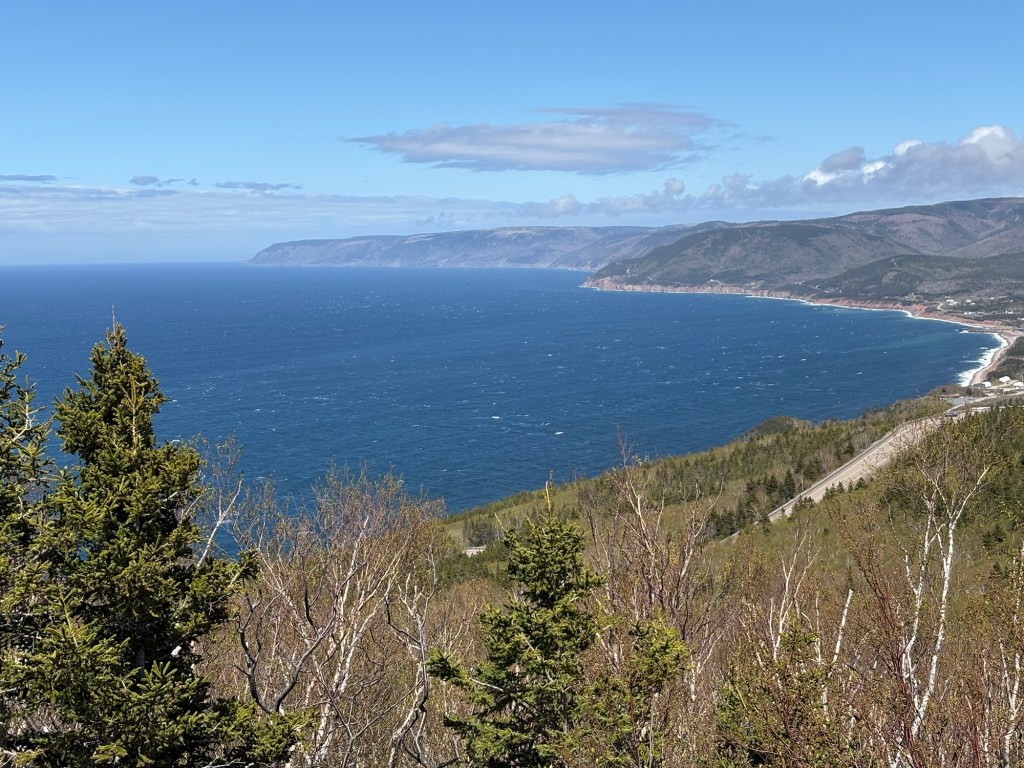
Cape Breton is a Canadian national park several hours out of Halifax on a peninsula on the east coast of the country. It features the Cabot Trail, a historic scenic drive along sweeping cliffs with ocean views and the promise/threat of encounters with moose, as well as small towns and tourism comforts for folks who are there for their popular day hikes, whale watching and the like.
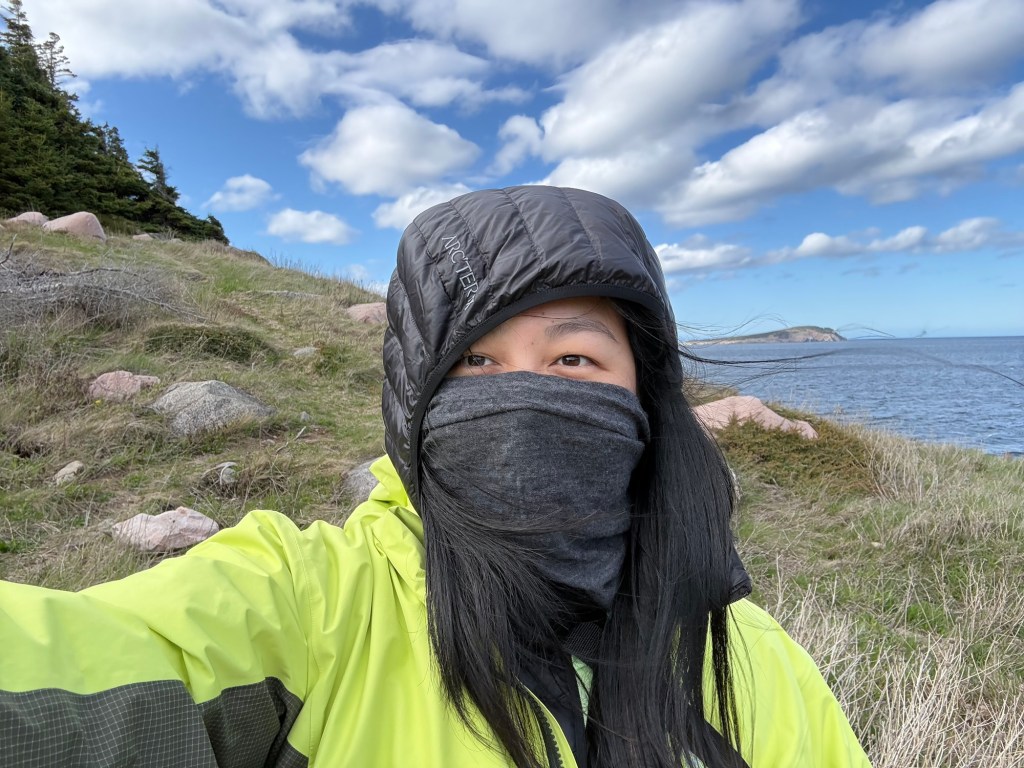
The weather early in the season is temperamental coastal weather, with temperatures ranging from the 30s to 60s Fahrenheit and high chances of wind. Backpacking with non-backpackers required a lot more planning and micromanaging to ensure my family was properly prepared, with appropriate clothing so they wouldn’t be miserable or in any danger of hypothermia etc. I brought all the equipment, and gave them a detailed list of the clothing they would need.
To get to Cape Breton, we would need to fly to Halifax, pick up a rental car and some isobutane canisters, then drive a couple of hours toward the park for an overnight stay in Antigonish. This way we could get a proper coffee and breakfast the next morning and drive just a few hours more to Cape Breton.
There are established campgrounds around the park, so our plan was to drive the Cabot Trail counterclockwise, stopping for permits and things at the Ingonish visitors center and starting with a day hike at Middle Head trail on the east side. Then we would camp nearby at Broad Cove before heading to the west side the next morning for a one-night, 7-mile round trip backpacking trip to a backcountry camp area called Fishing Cove.
I planned an optional day hike the following day after hiking out of Fishing Cove, a nice seafood dinner, followed by one last night of car camping at Cheticamp. And on the last day, we would get up before dawn for a sunrise hike at Cape Breton’s most famous trail, the Skyline trail, before heading back to Halifax.
Things that did not go according to plan
So the first thing we learned, is that you can’t pick up all of your permits at once. While you can get one multi day pass for park admission and parking, you must stop at one of the visitors centers in the park each day that you have a new campsite reserved (which we did). This is actually not a big deal since it was early in the season—the visitors center was not crowded. They sold local firewood (you shouldn’t bring outside wood to the park) but note: the Ingonish center is cash only.
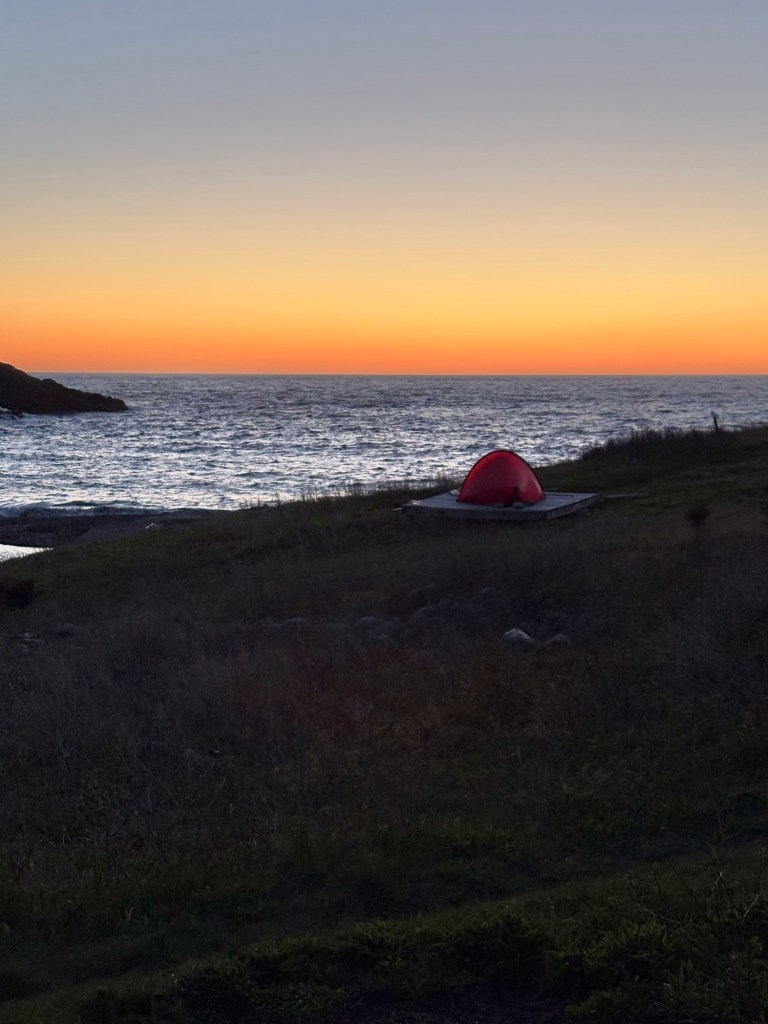
The second lesson was a bit more substantial: that 7-mile hike to Fishing Cove was actually more of a 9-mile hike (smh AllTrails) of very muddy and rocky downhill all the way in and uphill all the way out. Early season, we encountered overgrowth, many downed trees, and quicksand-like mud that slowed us down substantially. It took us all afternoon to hike in, causing us to scramble to set up our tents as the sun was setting, then we had to cook and eat dinner in the dark, exhausted from the hike and shivering in the strong winds. It was beautiful and (at least in my opinion) worthwhile, but we didn’t have the relaxing picturesque evening we’d imagined.
The hike out was similarly strenuous and I learned exactly how bad mud can be when, as I tried to step around a particularly soft patch, I slipped and fell thigh-deep into the stuff and could not get myself out without assistance. Lessons I’d learned about the mechanics of quicksand flooded my mind as my brother tried yanking me out and I felt I’d lose my foot, or at least my shoe. Good news is, I made it out in tact, with my footwear, but spent the hike with water sloshing inside my goretex trail runners and the rest of the day with all of my clothes caked in mud.
Needless to say, we did NOT do the optional day hike that day, which was supposed to be a 6 mile loop with allegedly amazing views that we were not sad to miss by the time we finished. But we did make our dinner reservation and feasted on seafood chowder and lobster.
At our next stop, the Cheticamp campground, we learned our final lesson, which was that the campsite was much smaller than expected and could fit multiple people but not multiple tents, and we had three tents. It was also much more crowded than other sites and was frankly very unappealing compared to the lovely natural and private sites we’d been staying in in the days prior.
We were all so sore and mentally exhausted from the unexpectedly strenuous hike, that by the time we pulled to discover this disappointment my mom and brother had already decided they were ready to tap out for the sunrise hike the following day. I looked at the cramped campsite, weighed our options, turned to them and said, “I guess if you’re not planning to hike in the morning there’s no point camping here, should we just head back to the city today?” Hilariously, my mom’s eyes nearly popped out of her head with approval of this idea and we had a good laugh. So without even getting out of the car, we took off for the five hour drive back to Halifax.
Now for the good parts!
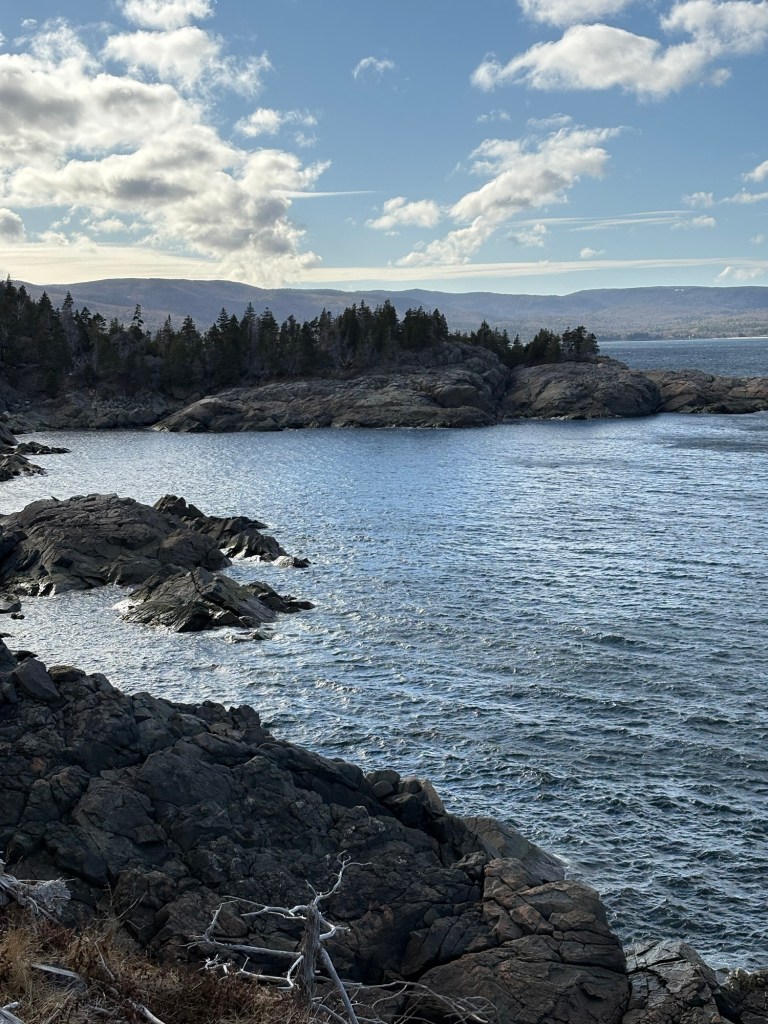
The east side of Cape Breton has fewer of the popular sites than the west side, but I’m really glad we started there. Middle Head Trail is an easy, well maintained loop with varied picturesque views and terrain. Each outlook was somehow unique, in part because we were on a narrow peninsula, making the full loop well worth it.
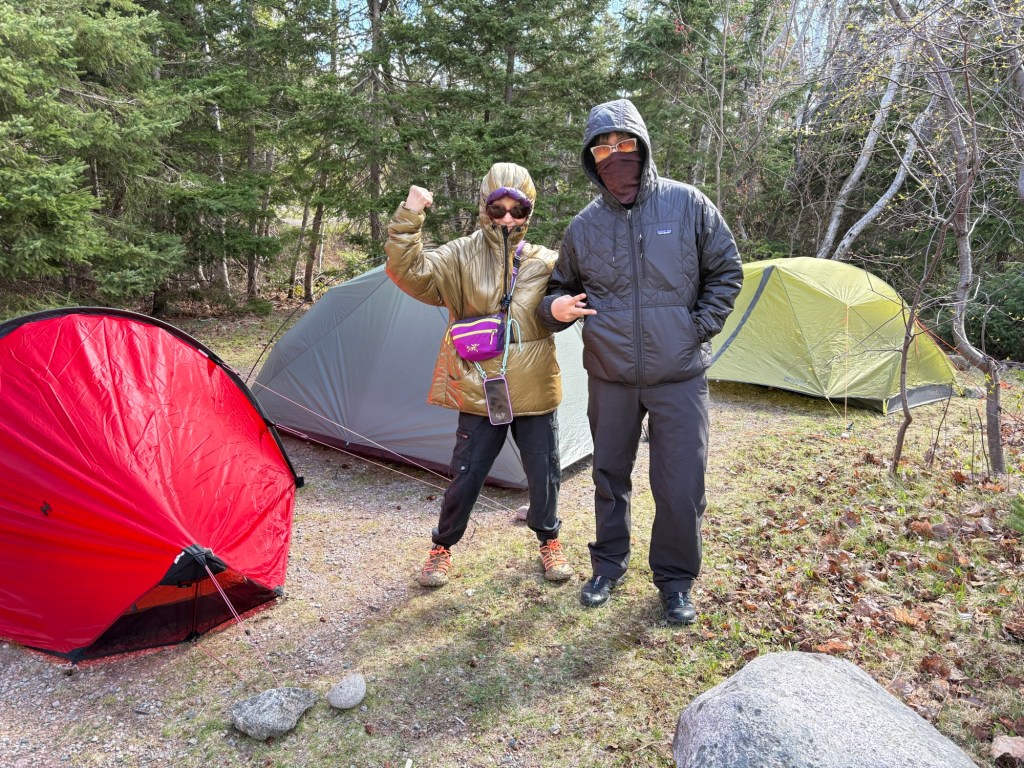
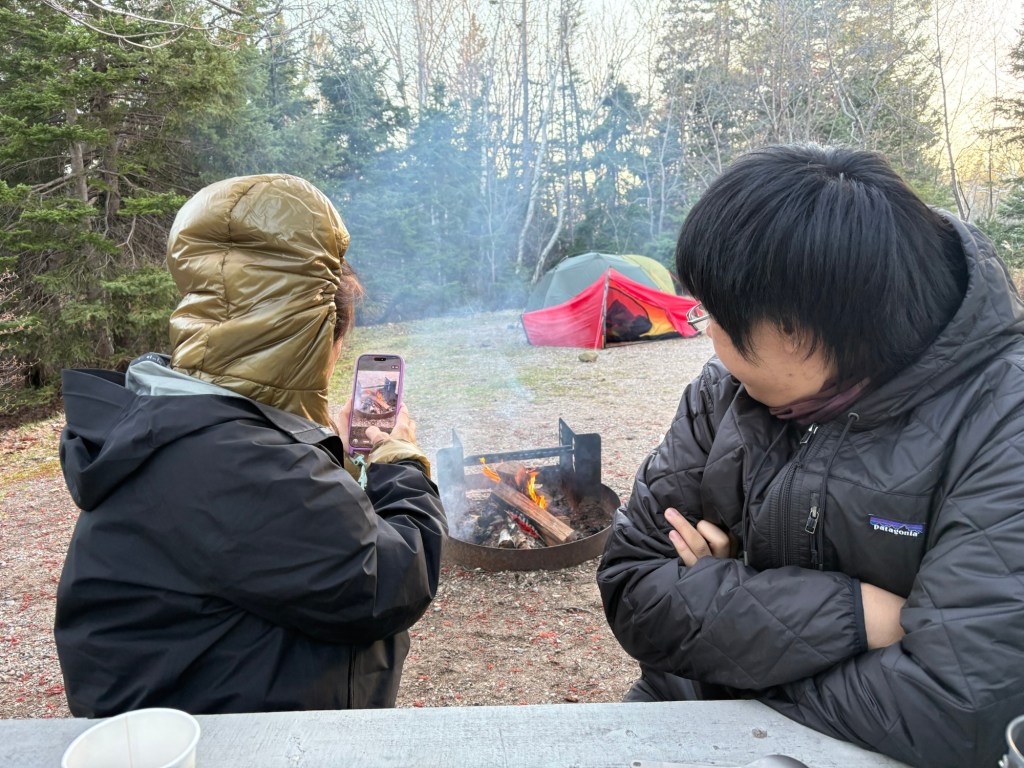
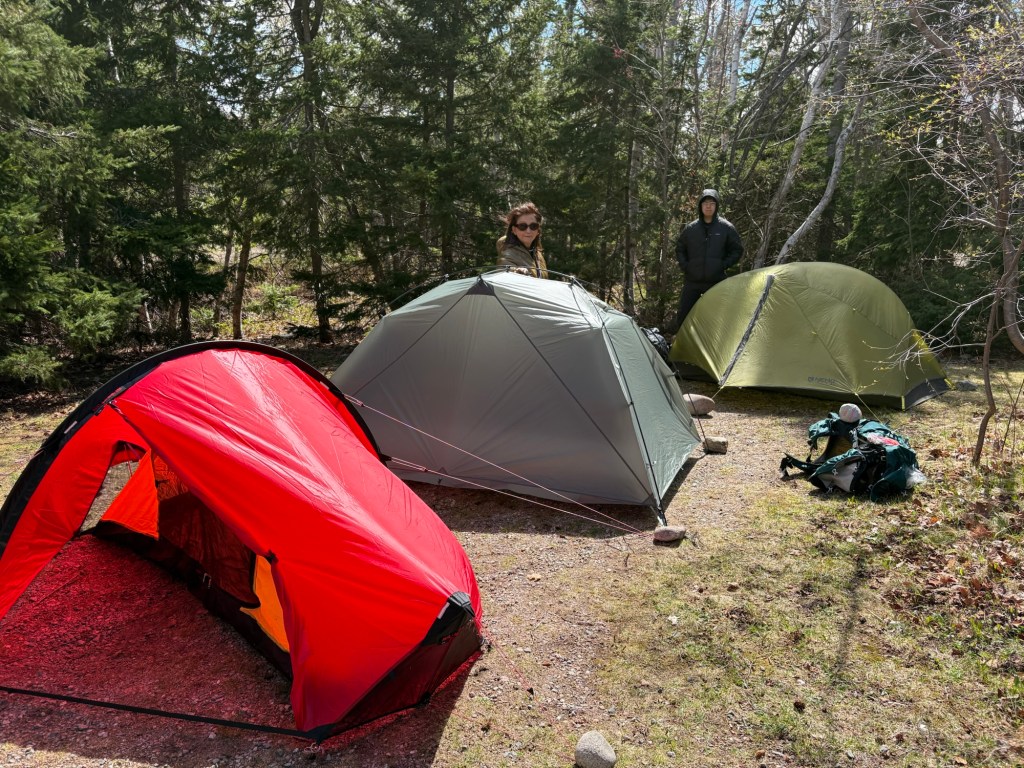
The Broad Cove campground, where we stayed the first night, is very nice with clustered campsites that aren’t so close together as to feel cramped. There was enough room at our relatively small site, which was surrounded by trees, to set up three small tents, and we had a table, a fire pit, and a spot to park our car.
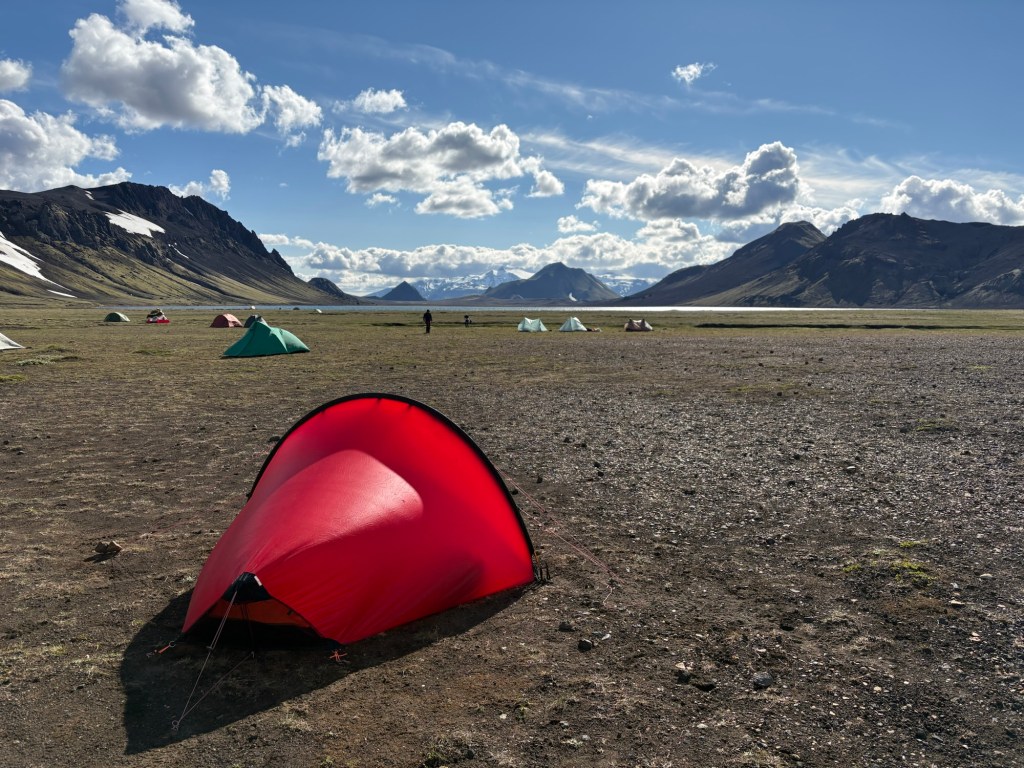
I tested my new Hilleberg Enan tent for the first time, which I purchased for Nordic backpacking trips and other harsher weather conditions where my ultralight North American tents might not cut it. I’ll write a full review on it at some point, but the gist is, it does seem to hold up to wind with minimal strain but it is quite claustrophobic compared to the tents I’m used to. My mom took the Durston x-Dome 1+ and was comfortable, and my brother stayed in the more spacious Nemo Dragonfly OSMO 2P.
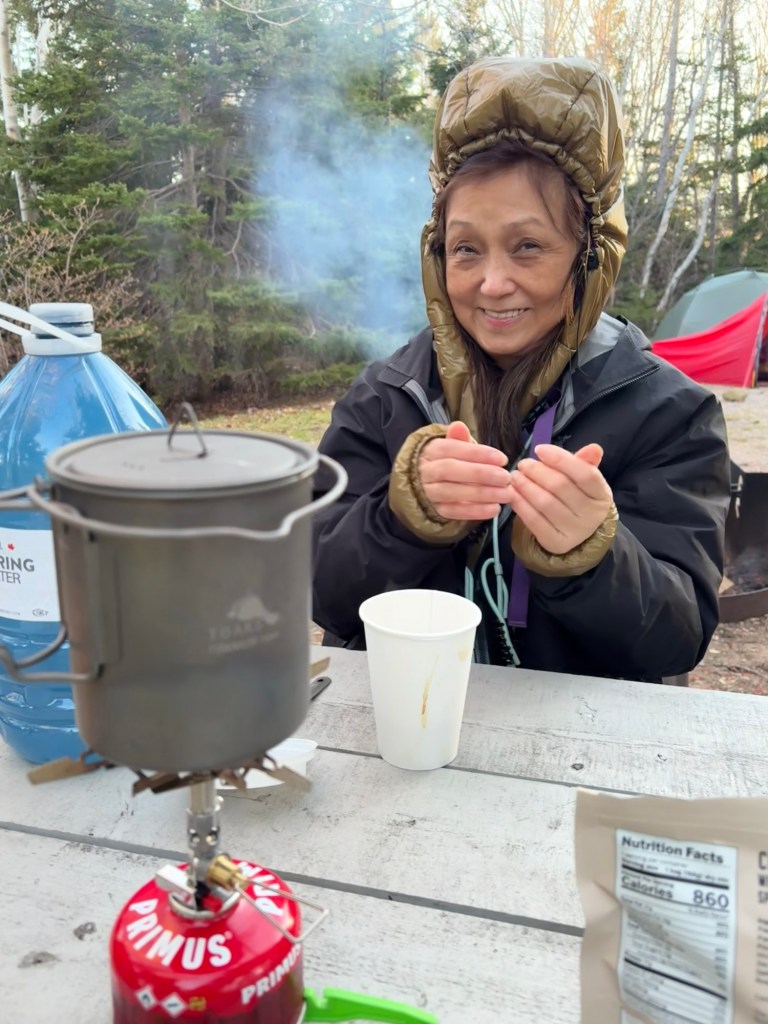
The bathrooms, which had showers, were very clean, and there were outdoor sinks for washing dishes and bear safe trash and recycle bins around the grounds. We had fun hanging around a fire to stay warm and shared three dehydrated camp meals—it was my family’s first time trying them and they were impressed.
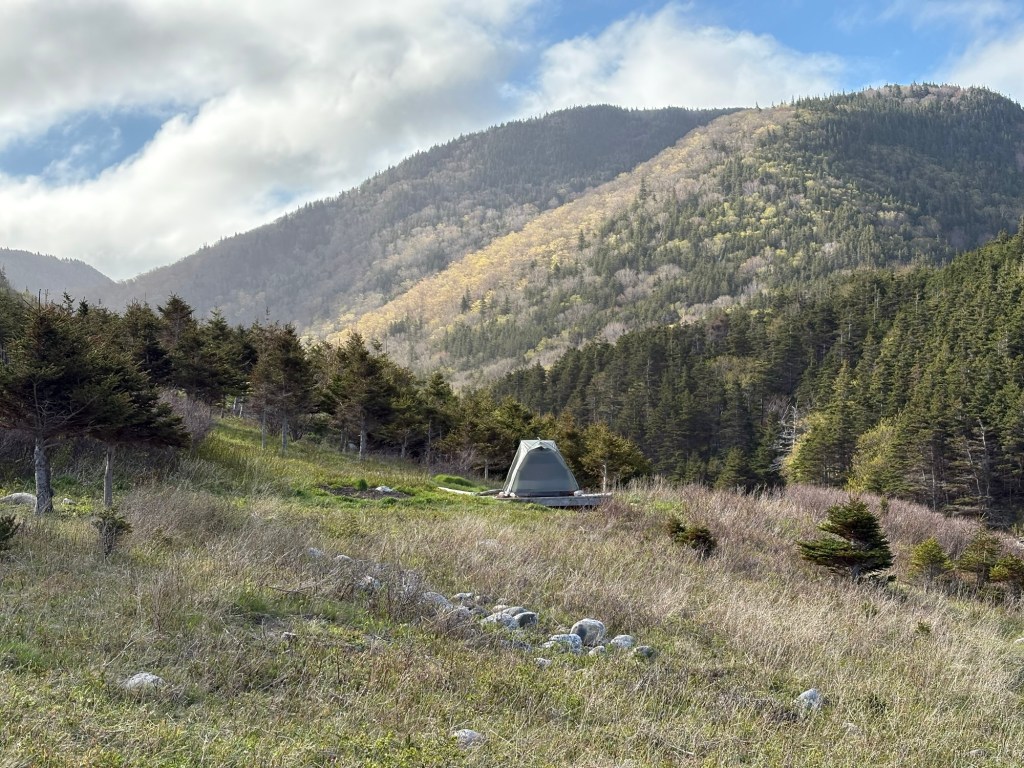
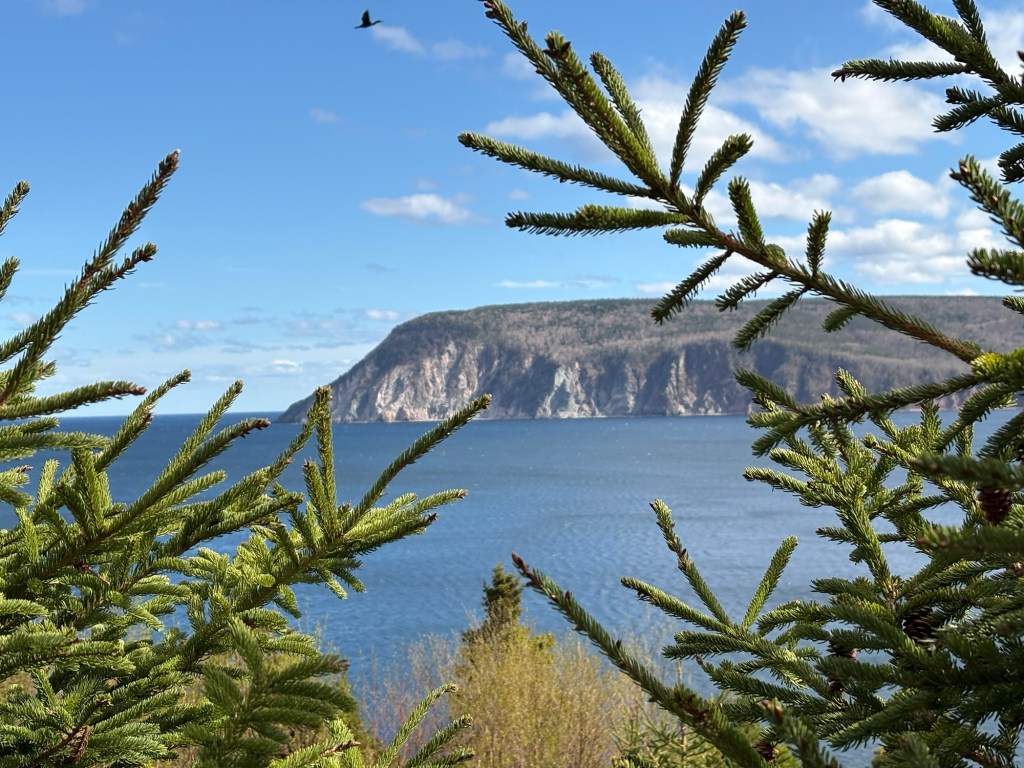
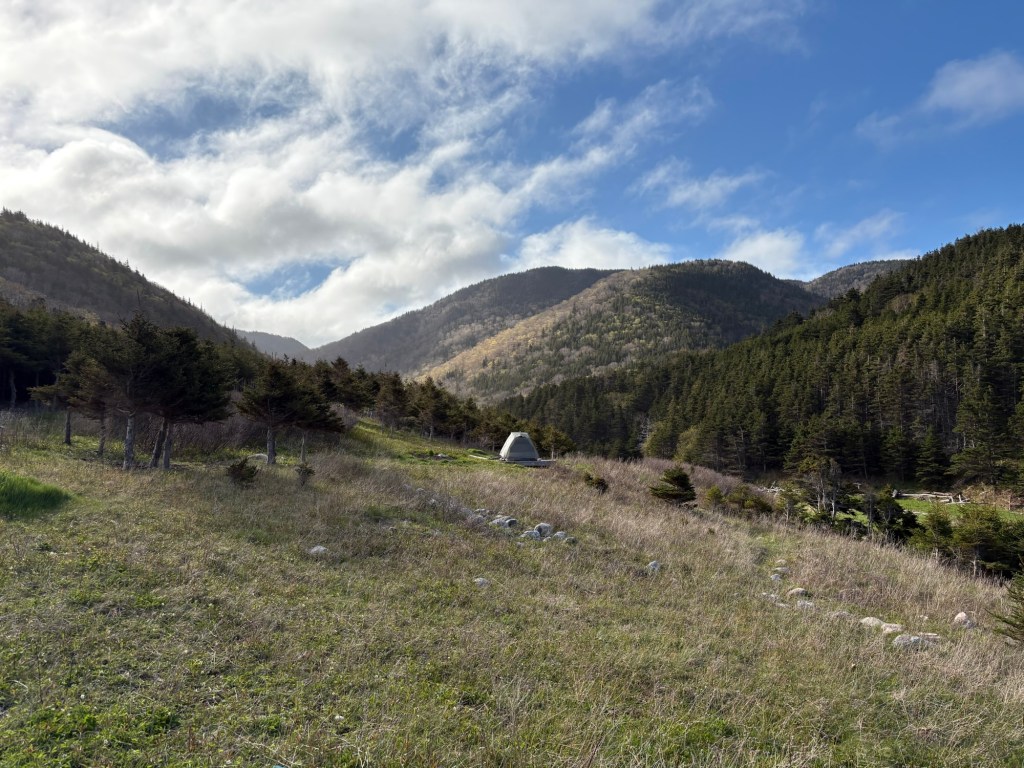
Despite the unexpected challenge of our Fishing Cove hike the following day, it was a beautiful trail and we had fun. There are clearly moose in the area, because we stepped over probably 37 piles of moose poop on the way down, navigated an obstacle course of rocks, downed trees, and mud, and hiked along a river most of the way with a view of mountains on either side of the valley.
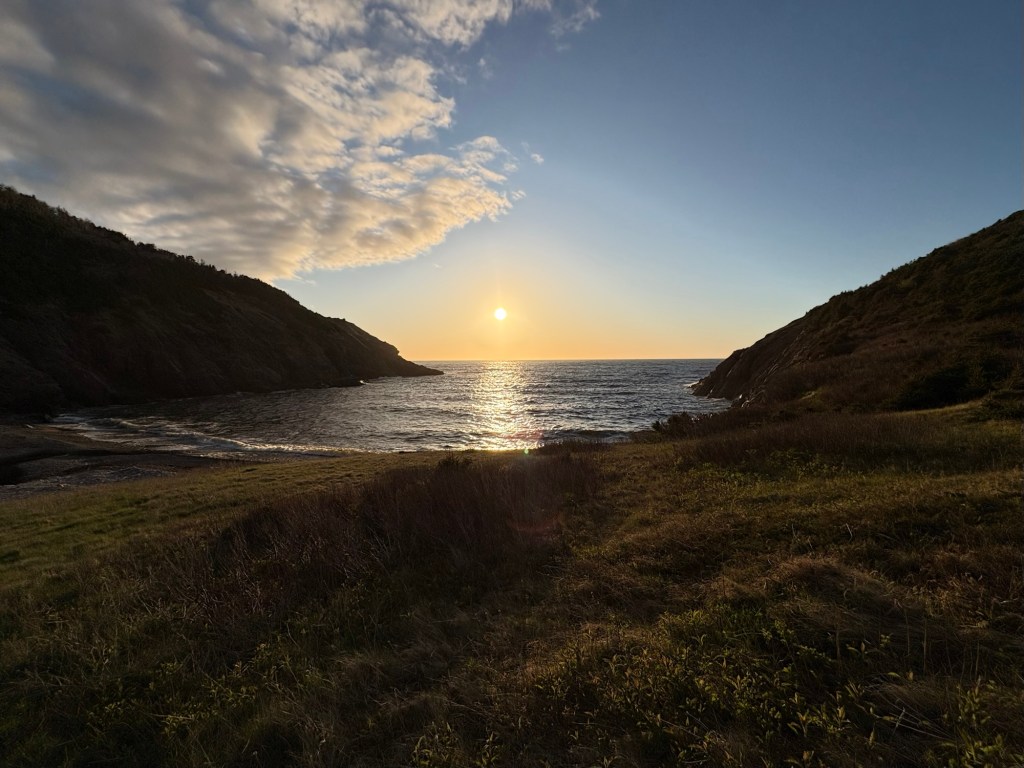
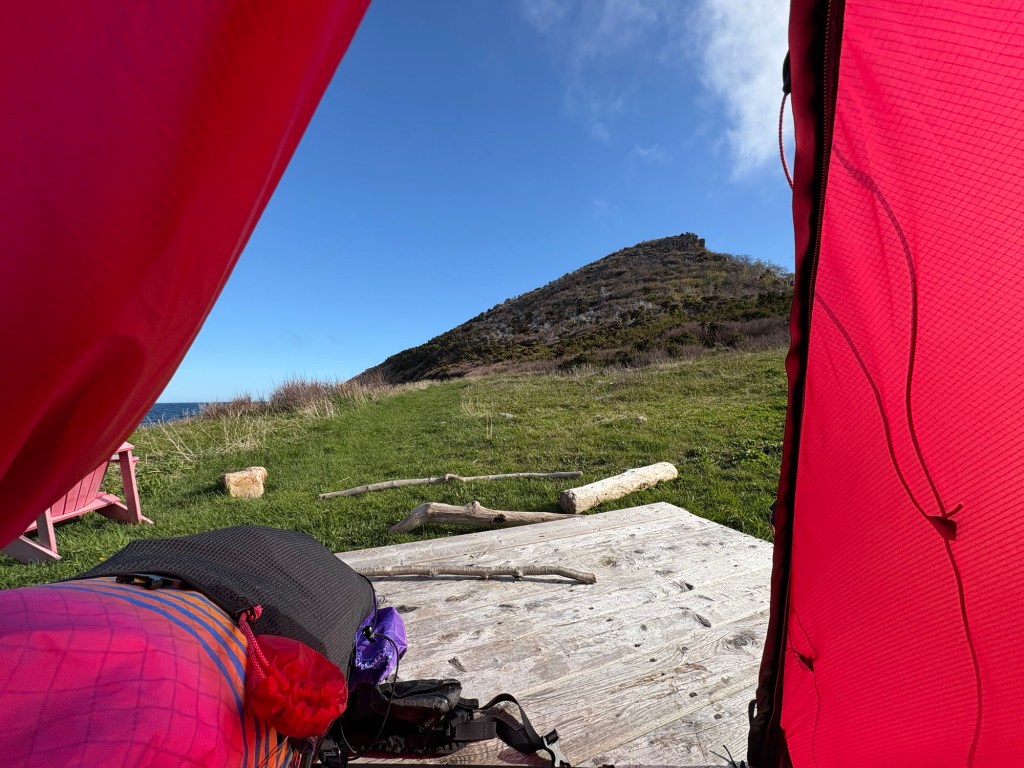
The trail culminated in a grassy outlook over a cove where the river ends, and where several tent platforms are set up. Our individual sites were spread out but within eyesight of each other, and we all had unobstructed views of the cove which glows and reflects beautifully in the sunset.
It was very windy all night, giving me a taste of what it will be like to use the Enan tent in Iceland when I take it there. I used my Garmin Inreach to check the weather and make sure the actual temperatures wouldn’t drop so low as to put my mom in any danger (they didn’t).
At around 8am the next morning, the wind completely stopped and I emerged from the tent to singing birds, warm sun, and a peaceful view of geese playing in the water. I was relieved to look over and see my mom’s tent still standing upright nearby, and immediately ran over to her and then to my brother to let them know the wind had stopped and it was safe to come out and enjoy the views.
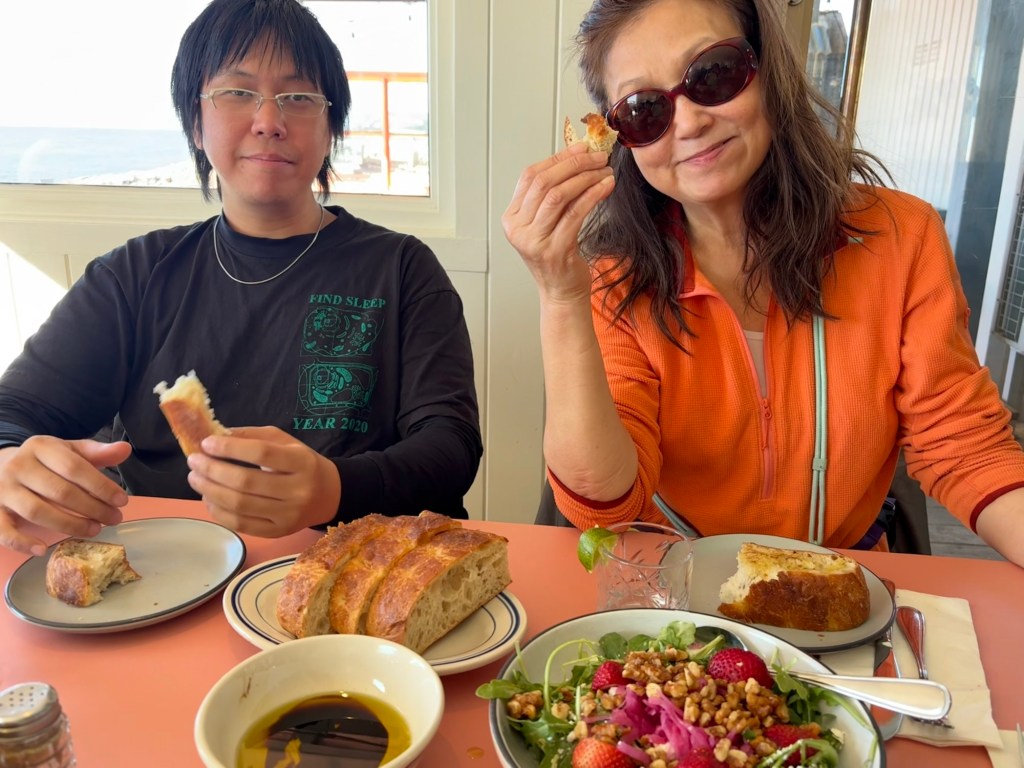
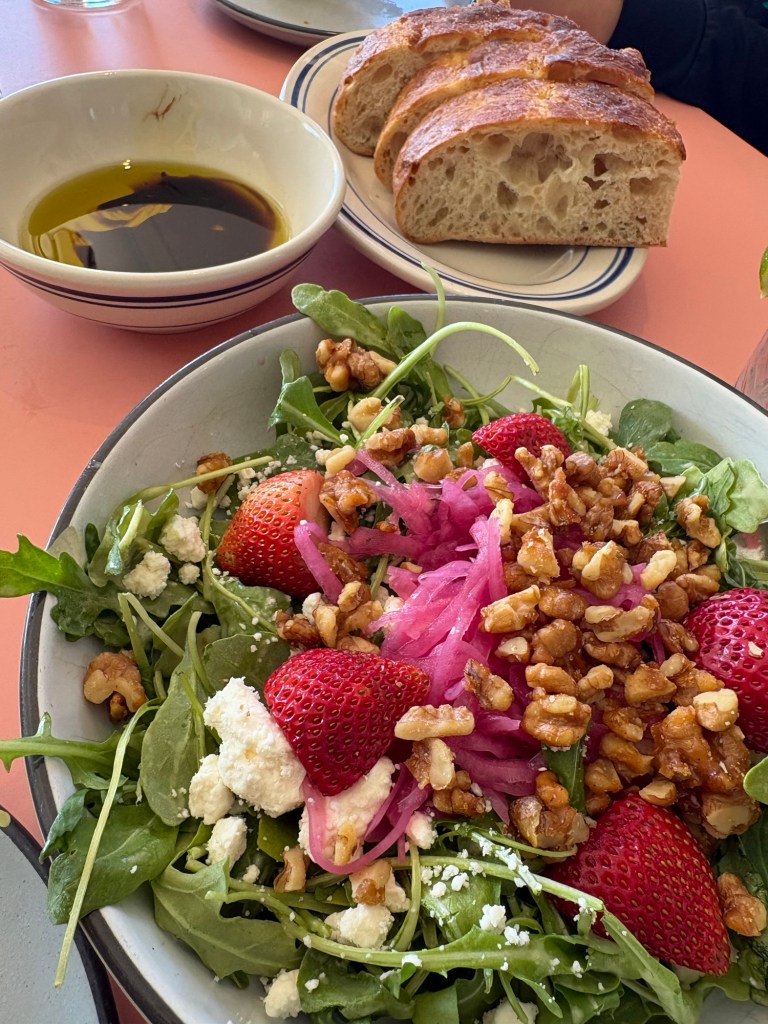
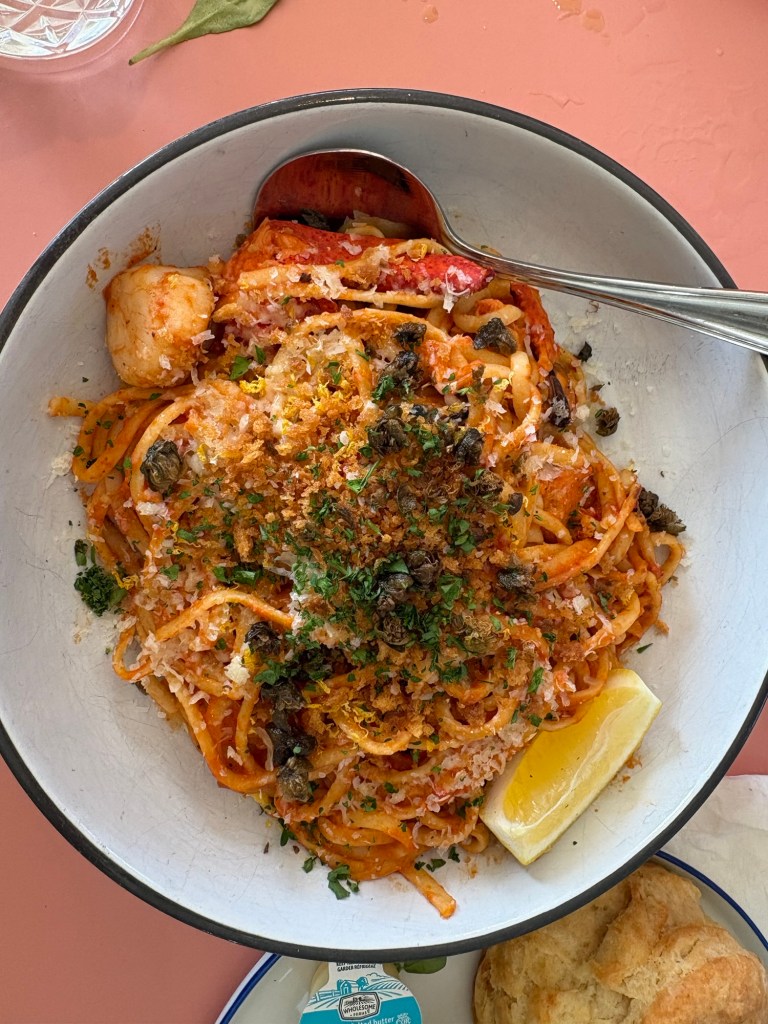
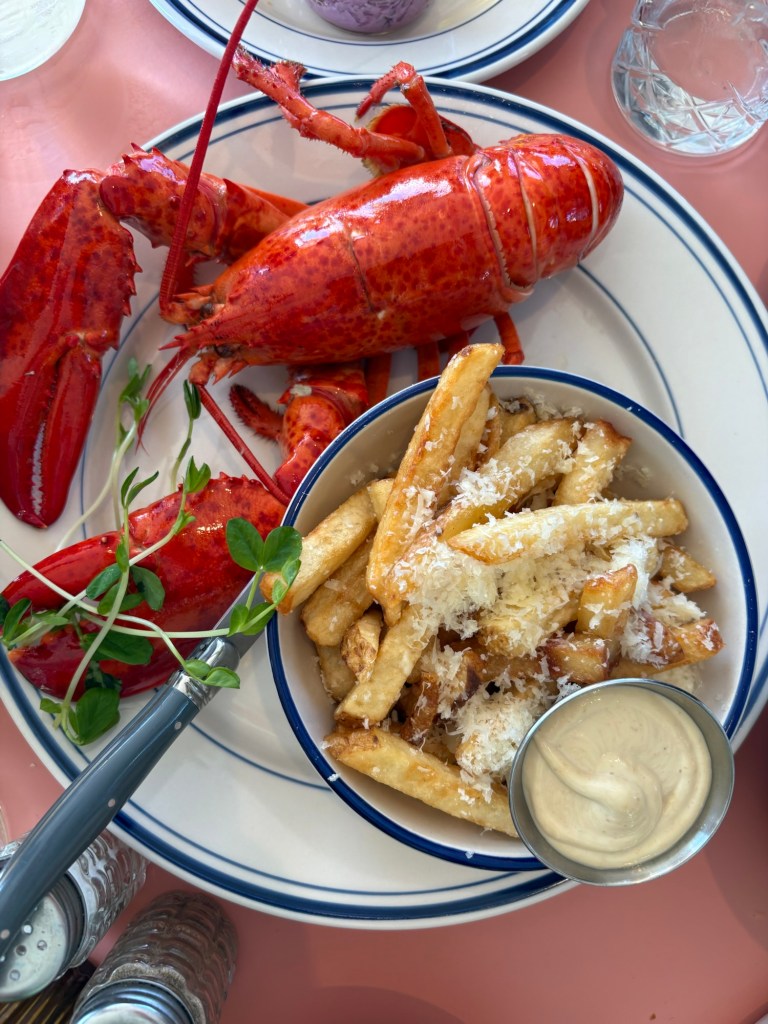
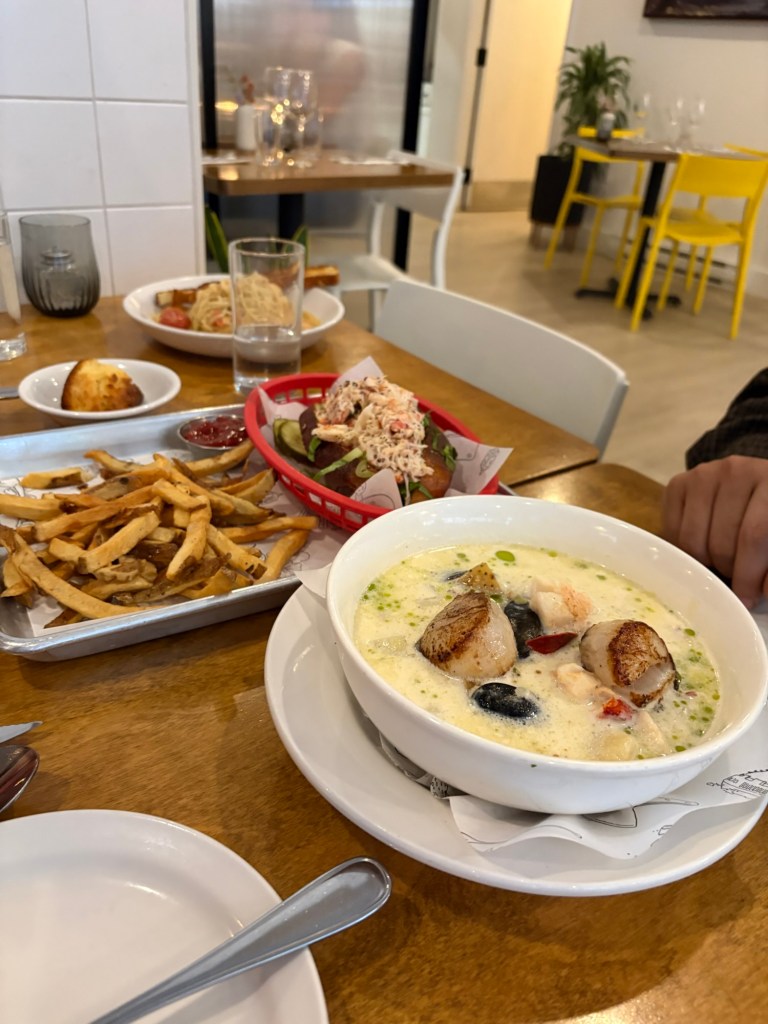
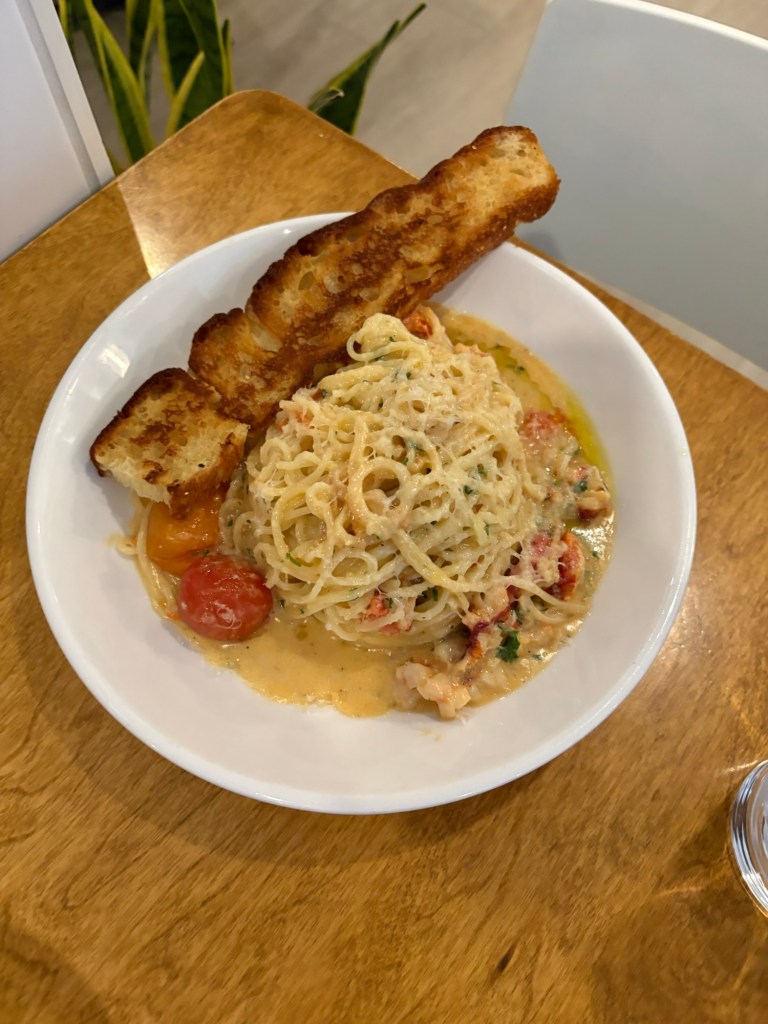
Our meal after the hike was at L’abri in Cheticamp. The restaurant was on the water and very cute, with good service and fresh seafood. We split a seafood chowder, a lobster dinner with truffle fries, lobster linguine, and a salad. I think anything would have tasted good to us at that point, but even removing the bias of hunger and exhaustion I do think the food was legitimately tasty.
The drive back to Halifax was long and late, so I had to drive very carefully because I’d read many warnings about the erratic behavior of moose and their penchant for standing in the middle of the road. We didn’t see any.
The next day in Halifax, we explored a bit but mostly took it easy and packed our gear back into the suitcases. We had an amazing meal at The Canteen in Dartmouth—essentially the same dishes as the day before but even better—and yummy dessert at an Iranian shop called Tivaasi.
Will they ever go again?
They both liked the car camping more than the backpacking. But I’m going to ask them again in a month, because I know the first time I went backpacking I also reevaluated all my life decisions for at least 36 hours. So we’ll see! Ultimately I’m very proud of them for pushing through all of it and I’m happy I got to share this experience with them.




Leave a Reply